The most important animals and plants of Egypt
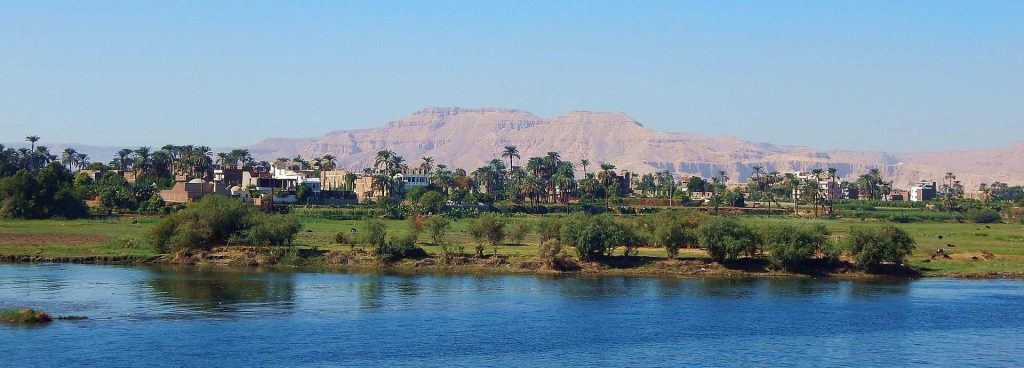
Since 96% of the country is covered by desert, year-round fauna can only be found along the Nile and in the Nile Delta, as well as in the oases.
In the Nile Valley, every square meter is cultivated with crops such as wheat, barley, millet, corn, rice, vegetables, herbs, and spices. Date palms line the banks of the Nile. Fruit trees, banana plants, and grapevines thrive both in the Nile Delta and in the oases.
The southern coast of the Red Sea is partially covered with mangrove forests. The Mediterranean coast is lined with palm groves.
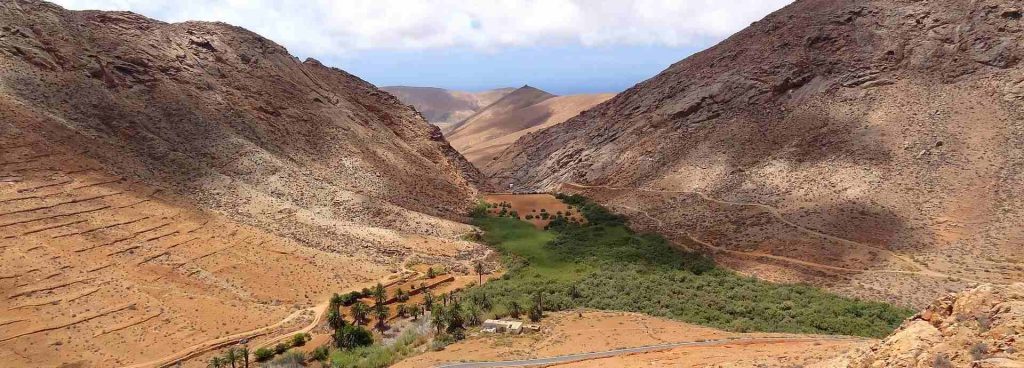
Even the mountainous regions and deserts are sometimes very hospitable to life, for example for goosefoot plants, tamarisk, caper bushes, cattails, and sedge. But a number of species unknown to us, such as hargl or elfeen, a Bedouin remedy, also thrive there.
After occasional rainfall during the winter months, everything turns green and blooms – a very welcome change for goats, sheep and camels, as their table is now richly set.
The fauna of the Eastern Desert is comparable to that of the Sinai. Mediterranean flora and fauna are less common here; instead, African species dominate.
The most common animal is the camel. In ancient times, other large animal species lived here, including lions, leopards, giraffes, ostriches, and antelopes, but they had to find new habitats. Jackals, desert foxes, hyenas, gazelles, and jerboas can still occasionally be spotted on desert tours.
Today, this area is home in particular to small mammals such as rats, mice, but also hares and rabbits, as well as numerous reptile species, e.g. geckos, lizards, frogs and even snakes.
Many migratory birds familiar from Europe, including numerous storks, settle in Egypt for the winter. Ducks, geese, moorhens, cattle egrets, and ibises can be observed near the water. Black kites and falcons still circle high in the sky. Lapwings, larks, finches, sparrows, and ravens are also widespread.