Henna tattoos can cause allergies
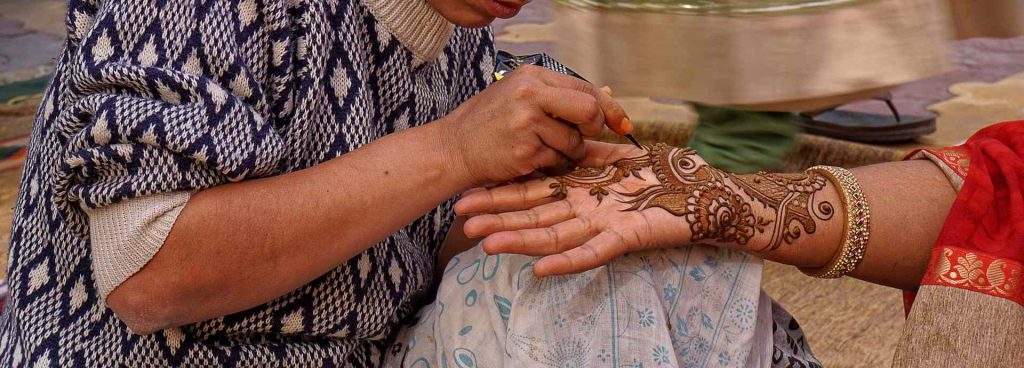
Short-term henna tattoos, so-called temptoos, harbor dangerous allergy risks. Pure henna is well tolerated by most people, but paraphenylenediamine (PPD) is often added to the natural substance in order to improve the color tone and achieve a faster drying time.
PPD is a black dye that triggers allergic reactions in many people. The substance was formerly used as a hair dye, but has been banned in Germany for decades and is only permitted for certain industrial purposes.
The painting of the skin with PPD-containing dye mixtures is subject to the Cosmetics Ordinance. However, this only applies to EU countries. Products from other countries are not bound by these specifications and often contain significant amounts of PPD.
A few days after applying a temporary tattoo, initial allergic reactions such as itching, redness, nodules, and blisters may occur. In severe cases, weeping, sometimes crusted skin changes within the tattooed area, as well as leg swelling, are also possible.
and blisters on the hands and feet. Those affected also complain of a general feeling of being unwell. In isolated cases, reactions such as painful swelling of the skin and mucous membranes, hives, rhinitis (a type of hay fever), or asthma may also occur.
The symptoms can usually be successfully treated with corticosteroids or antihistamines. An allergic skin reaction typically only appears some time after the henna tattoos are applied. Often, they have already faded almost completely by the time the affected person notices the first symptoms.
Once an allergy develops, it usually lasts a lifetime. So: be careful with henna tattoos!