Fasting for the senses
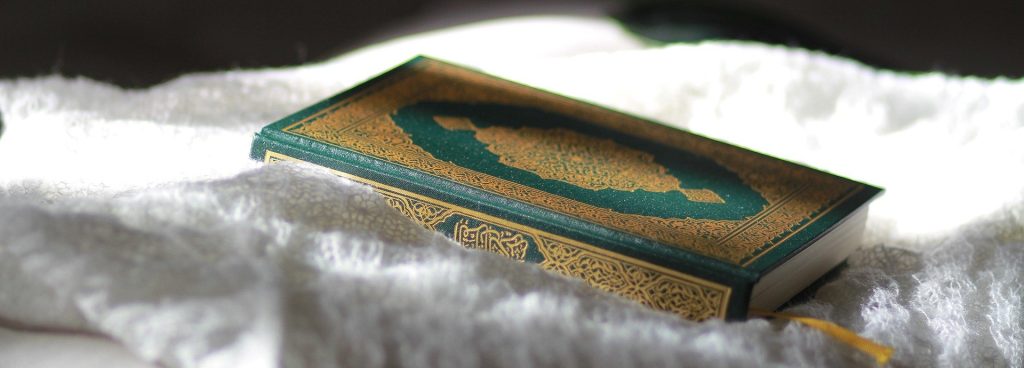
Fasting during Ramadan, the ninth month of the Islamic calendar, is one of the five pillars of Islam. The Quran prescribes that all adult Muslims abstain from all food and drink, as well as smoking and sexual relations, from sunrise to sunset during these approximately 29 days. According to the Quran,
This period of fasting offers believers the opportunity to cultivate their piety. The elderly, the sick, pregnant women, and travelers are exempt from this fasting requirement.
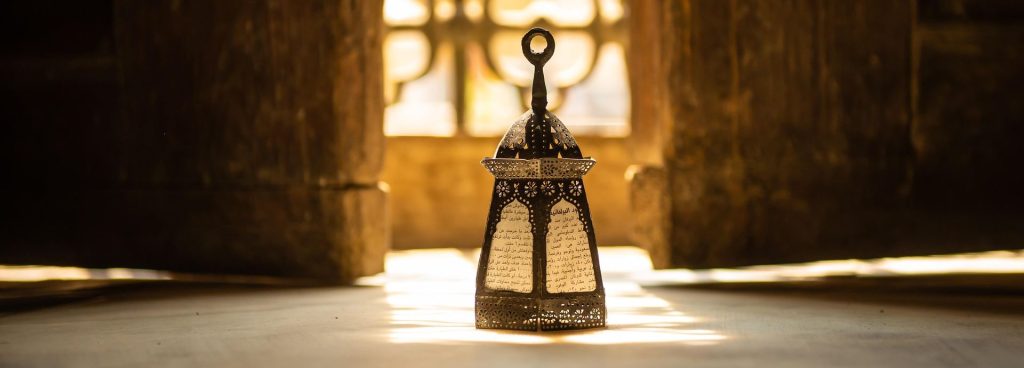
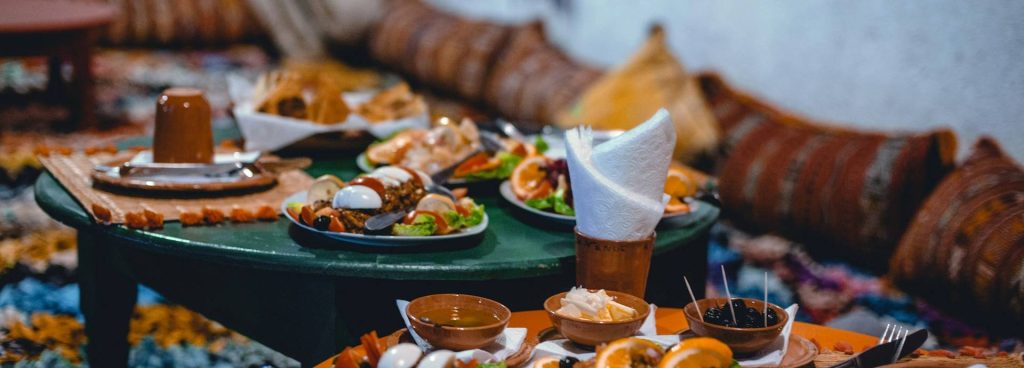
The fast ends each evening with the muezzin's call to prayer from the nearest mosque at sunset. Families gather and begin their feast. The streets empty, and a hush falls over the city—similar to our contemplative Christmas season. After the first large meal, the streets fill with vibrant activity. Special devotional services, during which long passages from the Quran are read, accompany the night. Only the following morning at sunrise do the hours of fasting begin again.
Ramadan ends with the festival of Eid al-Fitr, during which children especially receive gifts and special prayers are recited. Even though Ramadan is a demanding time for believers, people do not perceive it as a punishment, but rather as a celebration, a time to reflect on the will of Allah, and a celebration of family. Sharing food with those who are alone and poor is particularly natural during Ramadan, the month of compassion and togetherness.
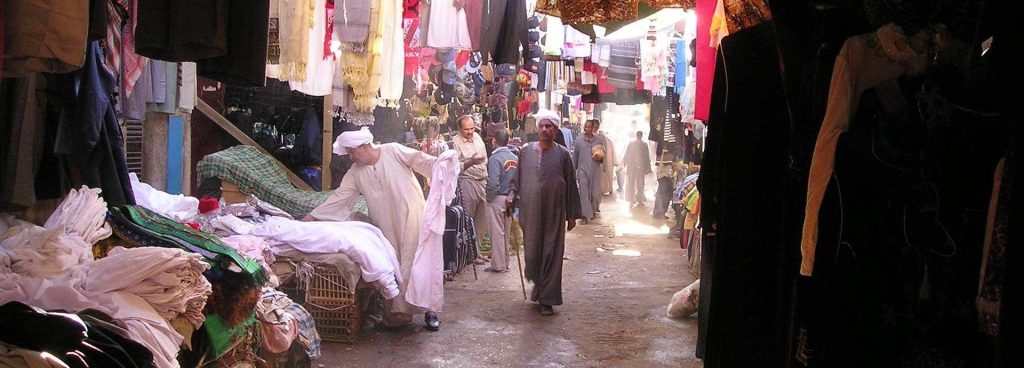
Daily life slows down considerably during Ramadan. Numerous shops remain closed or open only for a few hours each day. Government offices and banks also have reduced opening hours.
Please understand that during the breaking of the fast in the evening hours, the hotel staff will need to withdraw for a few moments for a quiet meal, and the shops will remain closed during this time.