The Road to the Promised Land
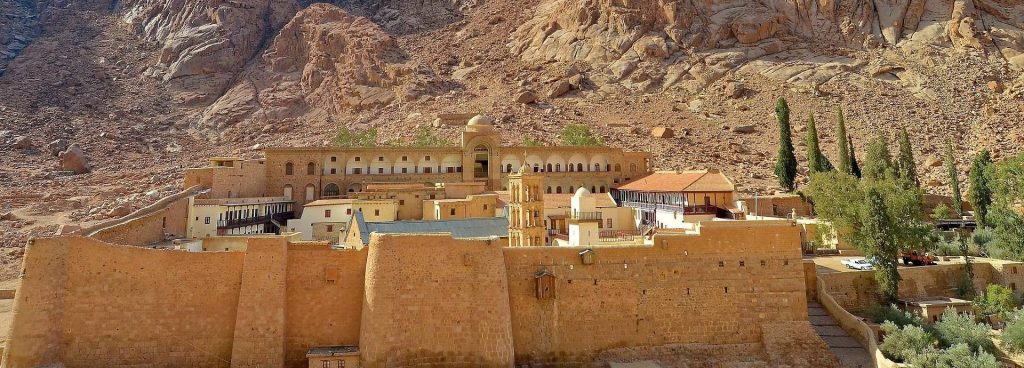
The peninsula derives its charm and appeal from its ancient sacred history. The Sinai Peninsula lies east of the Suez Canal on the Mediterranean Sea, between the Gulf of Suez and the Gulf of Aqaba.
The history of Sinai dates back to the time of the pharaohs. Isis crossed Sinai in search of her husband Osiris. The pharaohs revered this region and chose Harthor as the goddess of this land.
During the time of the pharaohs, people searched for gold, copper, and turquoise there. The Sinai was also a battleground for centuries. Historians date the first wars to the time of Ahmose I (around 1.500 BC) and the expulsion of the Heksos, up to the October War of 1973.
The Sinai is of course also known for many biblical events. For example, the Exodus, the departure of the Jewish people from Egypt under the leadership of the prophet Moses, took place here.
Furthermore, the first expedition led by Thutmose III (1.479 BC) crossed the Sinai Peninsula to unite the people and drive out the invaders. Alexander the Great also traversed the Sinai during his conquest of Egypt in 333 BC.
The Sinai today
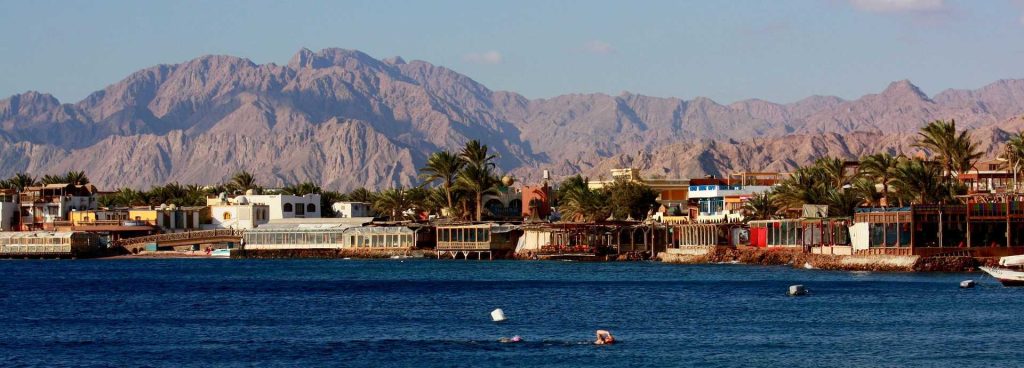
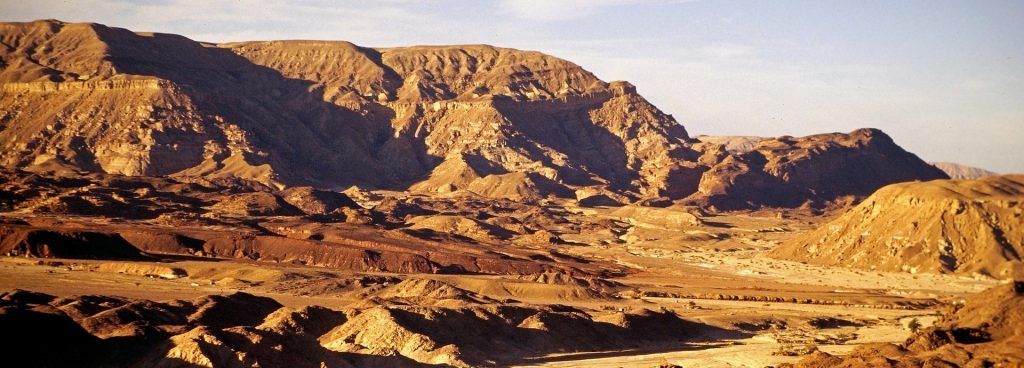
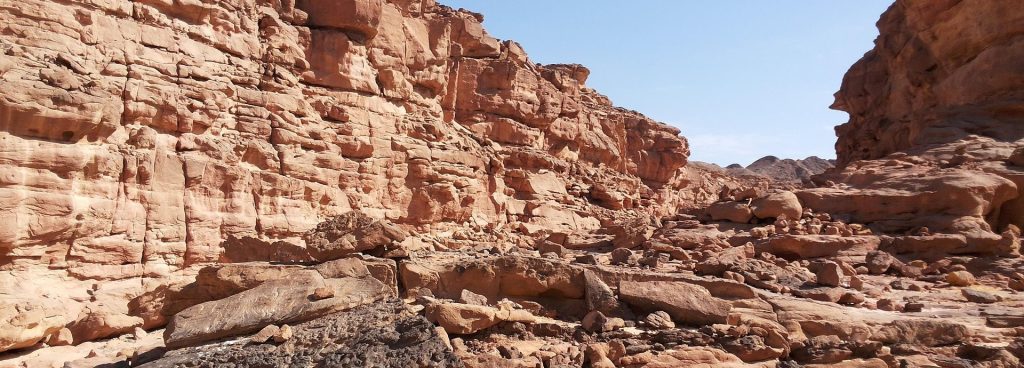
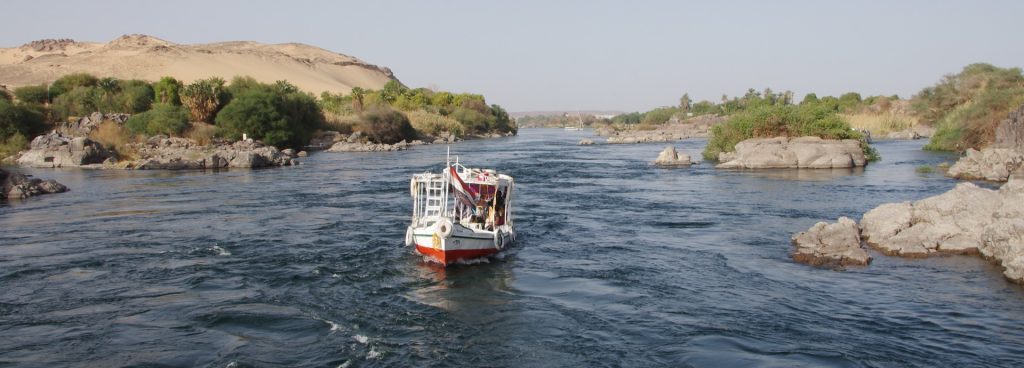
The Sinai Peninsula is rich in beautiful landscapes. It has high mountains in the south, and mangrove forests and date palms along the northern coast. The Sinai is also known for its numerous freshwater springs, which are said to have healing properties.
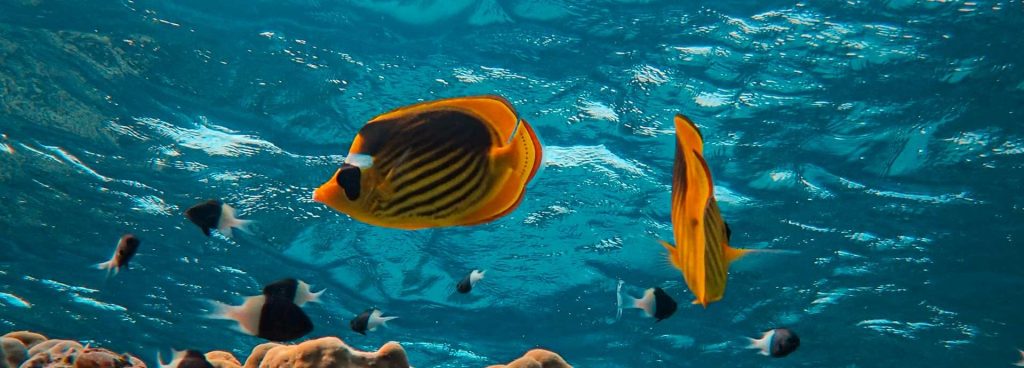
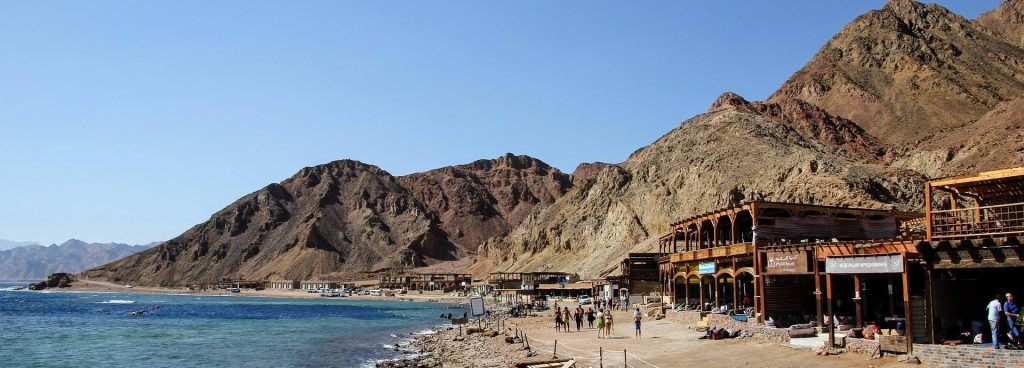
The Sinai coastline stretches for over 750 km. A diverse array of flora and fauna thrives in the warm, clear waters of the Red Sea. With its popular resorts of Sharm El Sheikh, Naama Bay, and Dahab, the Sinai is a favorite destination for beachgoers, divers, and snorkelers from February to October. It is said that the Sinai boasts some of the most beautiful dive sites in the world.
Nomadic desert dwellers
The Sinai Peninsula is home to the Bedouin people. They mostly live in the north. Their population is estimated to be between 80.000 and 300.000, belonging to 14 different tribes. Each of these tribes has its own culture, customs, and traditions.
Many of the Bedouins living here are partly related to Bedouins in Jordan and northern Saudi Arabia.
For centuries, the Bedouin have had to cope with the harsh conditions of the Sinai Peninsula. Over time, they have developed a keen understanding of their environment. The precious natural resources are protected by strict laws and traditions. For example, the Bedouin meticulously regulate their water consumption, and the vegetation is carefully preserved. It is no coincidence that a Bedouin proverb says:
"To kill a tree is like to kill a soul."
Life in the desert revolves primarily around the so-called clans. These groups are led by sheikhs and emphasize loyalty and hospitality. These virtues are highly valued in the desert.
Tea is traditionally sipped in groups of three. Bedouins sleep in tents made of woven goat hair, sometimes mixed with sheep's wool. The women's black headscarves and dresses are often elaborately embroidered, with the colors having special meaning: red embroidery means the woman is married, blue means she is single.