Plenty of sunshine and little rainfall
Egypt lies in the North African arid belt. The climate therefore features very little rainfall and considerable seasonal and daily temperature fluctuations.
Egypt has a climate that is partly subtropical and partly desert. The northern part of the country, along the Mediterranean coast, has a pleasant Mediterranean climate. Rainfall is more frequent there than in the rest of the country, but the summers are warm and dry.
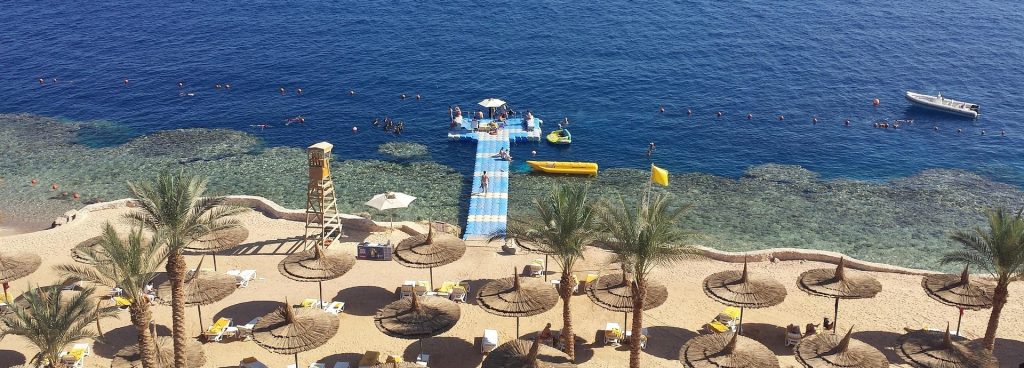
The Red Sea coast is warmer than the Egyptian Mediterranean coast. In summer, temperatures sometimes exceed 40°C. A refreshing breeze usually blows, making the temperatures bearable. The Red Sea enjoys a warm and pleasant climate year-round. Winter often brings temperatures above 20°C. Nevertheless, the peak tourist season is between April and October.
If you decide to visit the Red Sea in winter, please remember to pack light wool clothing, some summer clothes, and light coats. For the rest of the year, light, breathable summer clothing is sufficient, and for the evenings, light jackets, coats, and similar items.
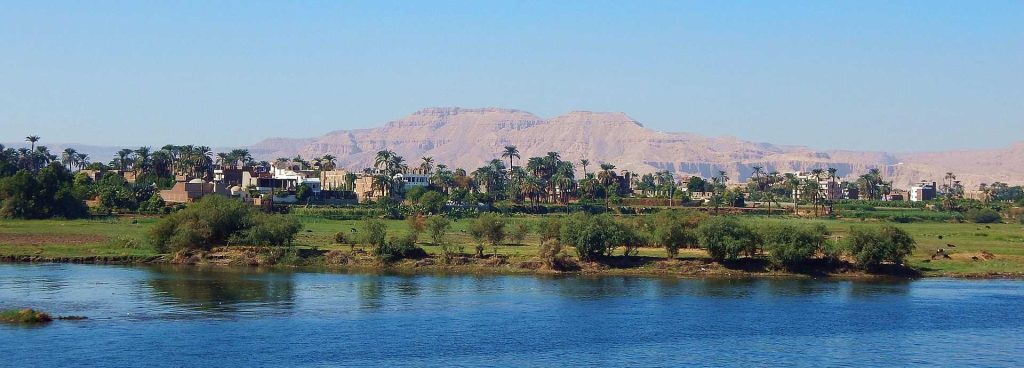
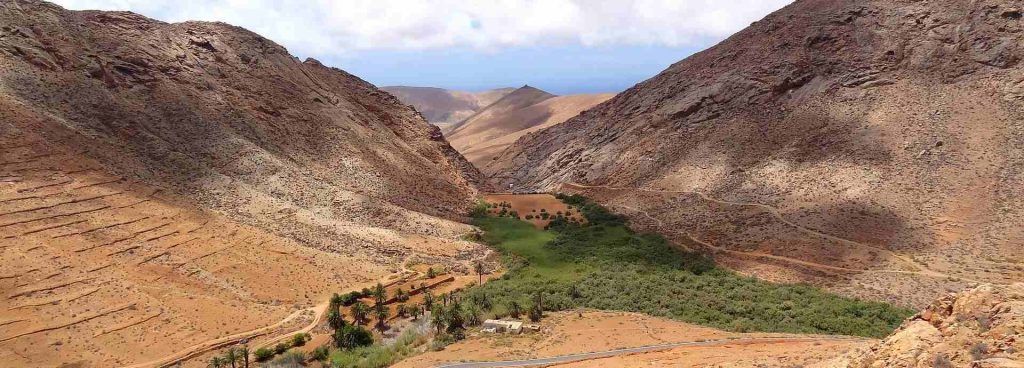
The south of the country has two seasons: a relatively cool season (with high midday temperatures) and a hot season. There are significant differences between daytime and nighttime temperatures in the desert regions. It is very hot during the day, while it gets very cold at night.
The most pleasant time of year is from October to April. From December to February, it can get quite cool, even during the day. Midday temperatures rarely exceed 25°C, and nights are cool (10°C, sometimes even lower). From the end of April, daytime temperatures rise to over 35°C. Temperatures of 40-45°C with high humidity are not uncommon in Cairo. From Luxor onwards, in the regions further south, and in the desert areas, temperatures sometimes reach over 40°C. On the Mediterranean coast, average temperatures are between 30-35°C.
Nighttime temperatures rarely fall below 20 °C from the end of April to September, with moderate humidity.
Alexandria, Cairo, and the Mediterranean coast are year-round destinations. Please note that Cairo can get very hot during the summer months. For Upper Egypt, the peak season is from October to April; for the oases, October to May is recommended (though nights in December and January can be very cold).
From March to June, the hot Khamsin, a sand and dust wind coming from the south, blows. In the desert regions, the dangerous Sobaa, a cyclone, sometimes darkens the sky during these months.
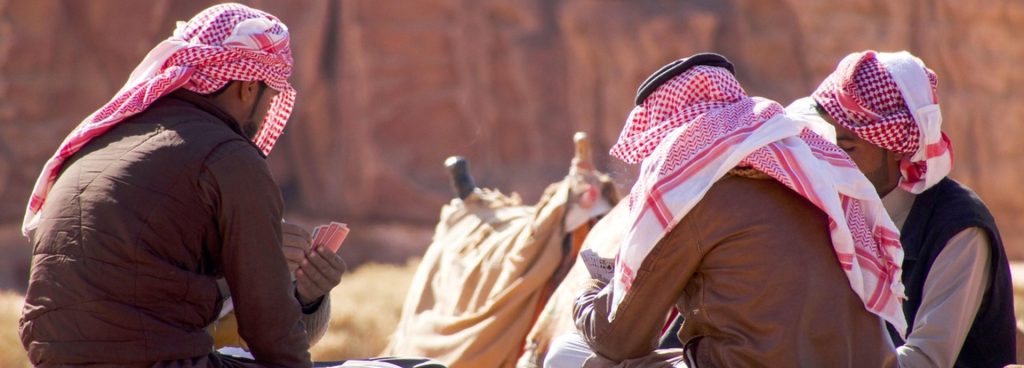
When traveling in the desert, warm wool clothing is always advisable for the nights and very early morning hours, as well as good sunglasses and light headwear to protect against the sun.
Egypt is an Islamic country. Please be mindful of this when choosing your clothing. Clothing that is too tight, too short, or too revealing is inappropriate.