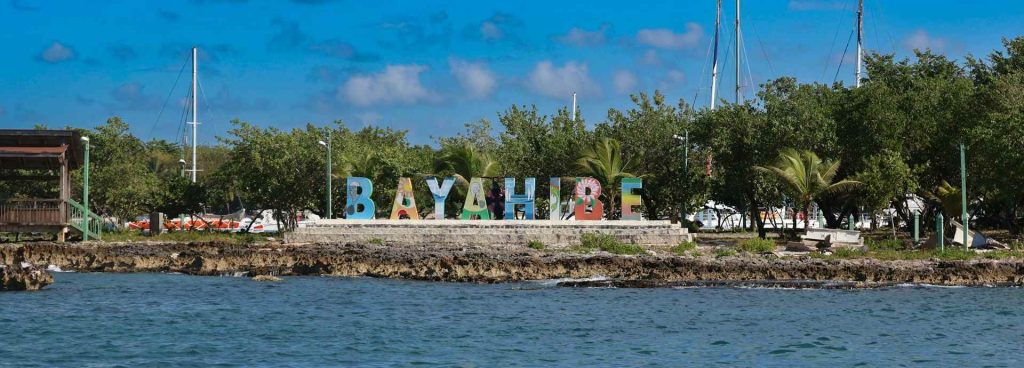
Natural beauties
The Dominican Republic has a total of nine national parks, two underwater parks, and five nature reserves. A permit is required for entry and can be obtained from local DNP stations or the central national park administration in Santo Domingo.
Jaragua National Park
This national park, covering 1.400 square kilometers, is the largest in the Dominican Republic. Beata Island, the treeless island of Alto Velo, and the sea area between the islands and the mainland are all part of the park, which was established in 1983. It is named after the Taíno Indian cacique Jaragua. Visitors can explore the caves of some of the indigenous people or admire the breathtaking vegetation. The exotic mix of subtropical dry forest and succulent spiny forest (succulents are succulent plants such as aloe vera) makes Parque Nacional Jaragua a truly unique experience.
Parque Nacional Isla Cabritos
At 24 square kilometers, it is the smallest, but also the most interesting national park. On the island, which is approximately 12 kilometers long and 2 to 2,5 kilometers wide, there are still free-roaming crocodiles, iguanas, monitor lizards, and flamingos. Unfortunately, the populations of these animals are declining year by year.
Silver Bank
Approximately 140 km north of Puerto Plata, in the Atlantic Ocean, lies the Banco de la Plata Underwater Park, which means "Silver Bank." This protected area covers a marine area of around 3.700 square kilometers with an average depth of 20 meters. However, the seabed drops to depths of up to 1.800 meters. The Silver Bank is closed to boat and ship traffic. From December to March, humpback whales mate and give birth here. During this time, you can participate in organized whale watching excursions.
Los Haitises National Park
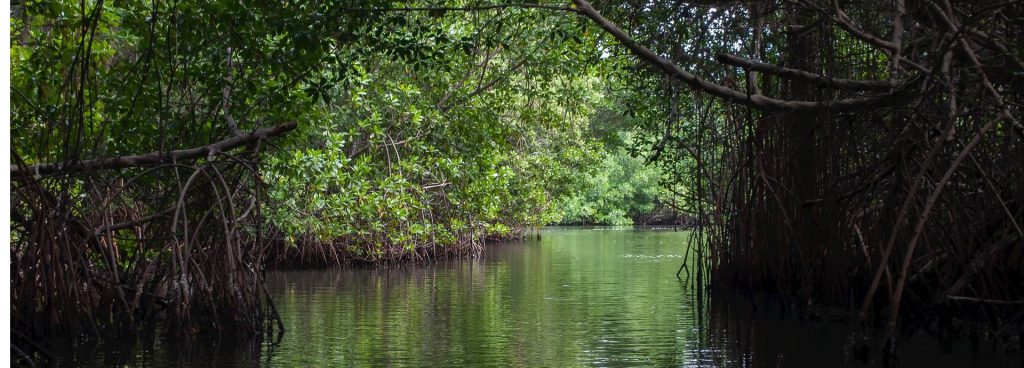
The 208 sq km national park is one of the most beautiful and interesting. The mountains, rising between 200 and 300 meters, gave the nature park, established in 1976, its name. The national park consists primarily of subtropical rainforest and extensive mangrove forests. The diverse fauna and the caves of the indigenous people are an absolute must-see for every visitor!