The divided island
The collective term Caribbean islands refers to the island chain located between North and South America, which consists of the Greater and Lesser Antilles.
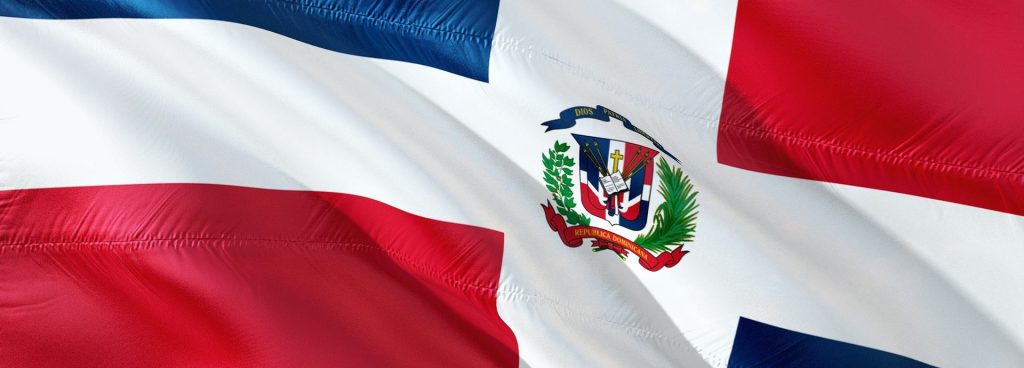
In 1492, Christopher Columbus discovered the island of Hispaniola while searching for India. The Antillean island, which its discoverer called "Little Spain," is now home to two island nations: Haiti, the smaller part of Hispaniola, and the Dominican Republic, the second-largest country in the Caribbean. It comprises about two-thirds of the island's area, or 48.730 square kilometers.
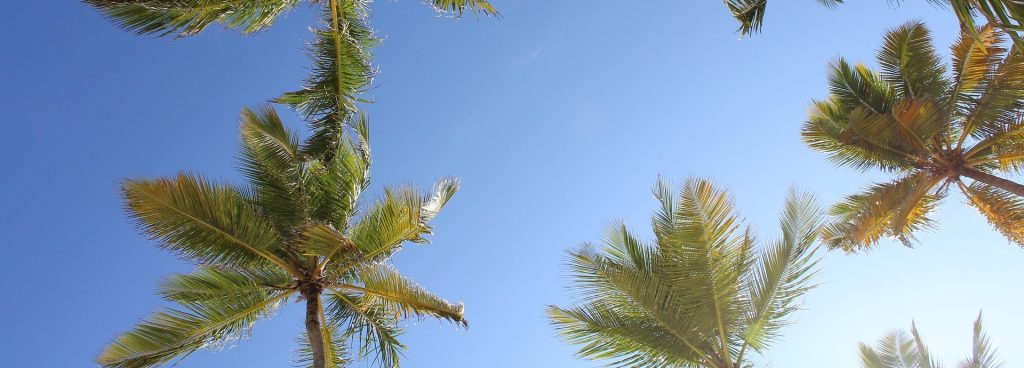
Four-fifths of the island is mountainous, with peaks between 2.000 and 3.000 meters. Pico Duarte, for example, is not only the highest mountain in Hispaniola, but in all the Caribbean islands. Besides a rugged, rocky coastline, there are idyllic bays and wide, coconut palm-fringed beaches everywhere.
The Dominican Republic is divided into 31 provinces, including the capital district of Santo Domingo. The country's population is approximately 11 million.
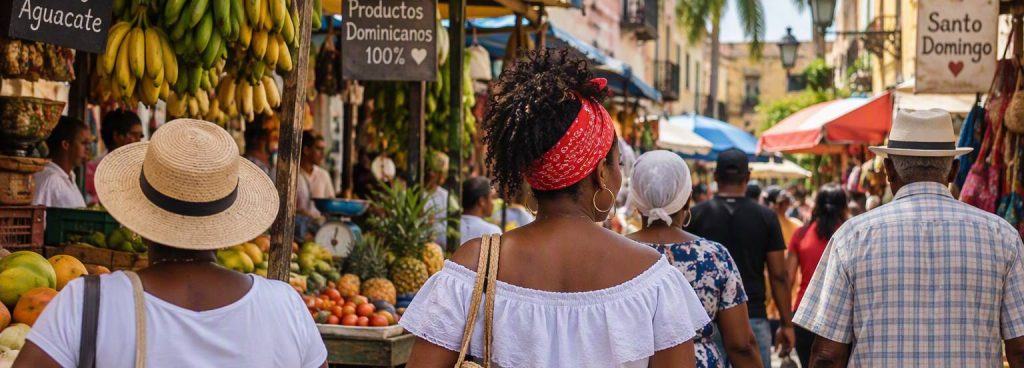
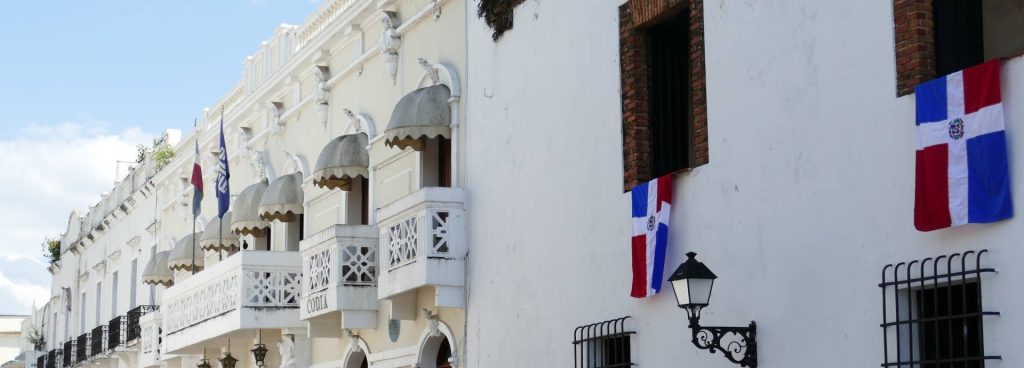
The capital city of Santo Domingo has approximately 3 million inhabitants and is clearly influenced by its European explorers: The late Gothic cathedral Santa Maria La Menor, palaces and magnificent buildings in the Spanish colonial style, as well as a lovingly restored old town with courtyards and fountains characterize the cityscape.
Historically, Santo Domingo is a place of superlatives. Founded in 1496 by Bartolomeos Colón, brother of Christopher Columbus, the city boasts the oldest university and the oldest cathedral in the Americas.